November 22, 2026
Finding a qualified HVAC contractor is crucial for ensuring the efficient operation and longevity of your heating, ventilation, and air conditioning system. This comprehensive guide provides a step-by-step approach to identifying and hiring the right professional for your needs.
Understanding the Importance of Qualified HVAC Contractors
The Role of an HVAC Contractor
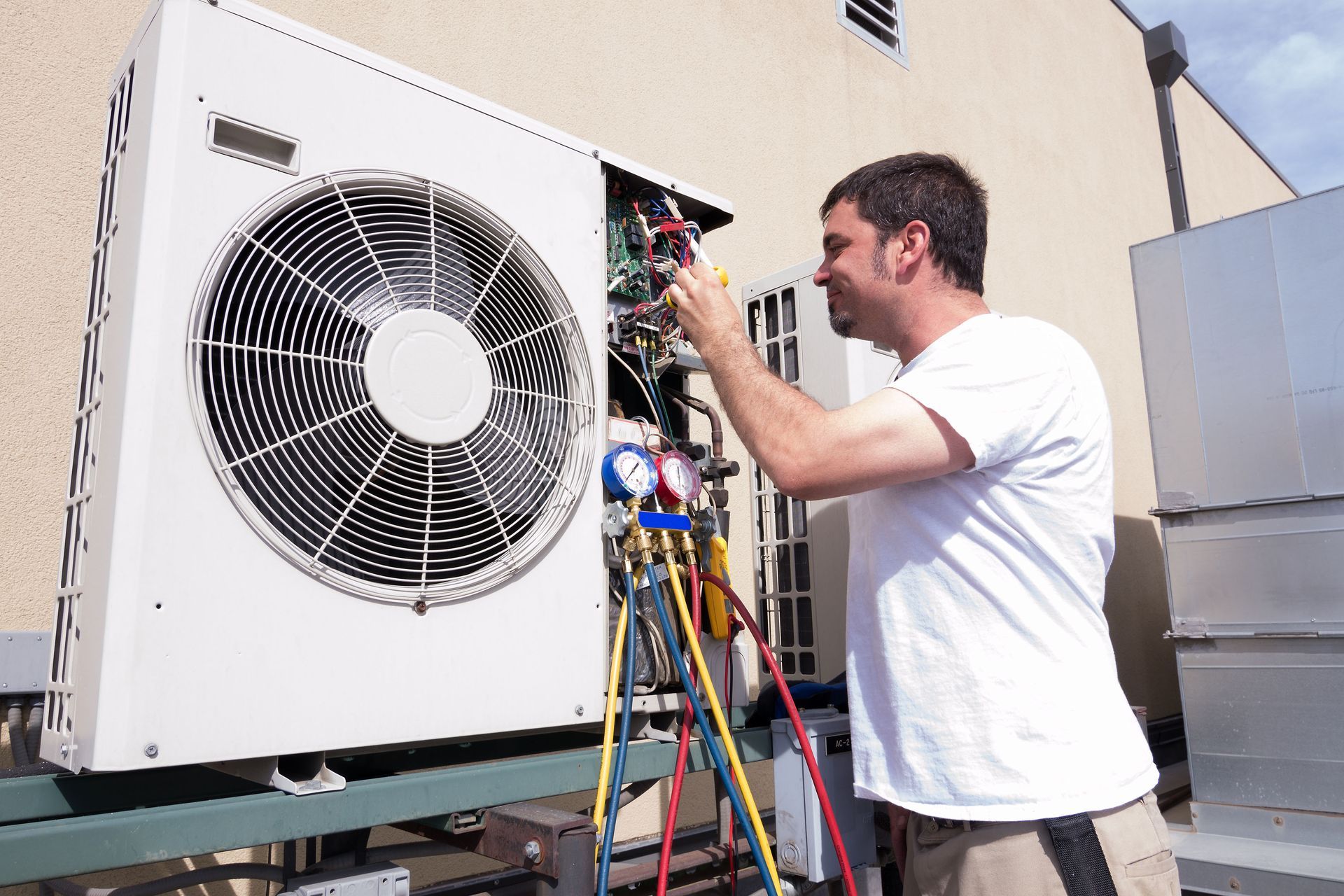
HVAC contractors are pivotal in ensuring indoor air quality and temperature control by installing, maintaining, and repairing heating, cooling, and ventilation systems. Their expertise extends to understanding system requirements, including energy efficiency, capacity load, and environmental impact. They also ensure systems comply with safety standards and government regulations, highlighting that HVAC work is not just technical but also regulatory. Unfortunately, the HVAC industry currently faces a labor shortage gap of 110,000 qualified technicians, according to Sequoia Greenhouse, creating challenges in meeting the rising demand for skilled workers. Consequently, the role of HVAC contractors becomes increasingly vital as they balance technical proficiency with regulatory compliance.
Risks of Hiring an Unqualified Contractor
Engaging with unqualified HVAC contractors can lead to improper installations, resulting in inefficient system performance and higher energy costs. A lack of expertise might mean non-compliance with safety and building codes, posing safety risks such as carbon monoxide leaks or electrical faults. The improper maintenance or installation of HVAC components can drastically reduce the system's lifespan, causing frequent breakdowns and increased repair costs. Additionally, poor workmanship may lead to irreversible damage to HVAC units, necessitating full replacements. The industry-wide shortage exacerbates the risks of settling for subpar contractors, as homeowners might be tempted to hire less qualified workers.
Benefits of Hiring the Right Professional
Hiring a qualified HVAC contractor ensures optimal system efficiency, which translates into lower energy bills and reduced environmental impact. Experienced contractors can provide tailored solutions that match individual client needs, ensuring comfort and functionality. A professional's work will likely meet the latest compliance and safety regulations, safeguarding homeowners from legal and health risks. Moreover, well-serviced systems benefit from a longer operational lifespan, delivering a better return on investment. Despite the labor shortage, finding a knowledgeable contractor is vital for implementing and maintaining efficient and safe HVAC systems.
Industry Standards and Compliance
HVAC contractors are required to adhere to a range of industry standards and compliance regulations to ensure their work meets government and environmental guidelines. This includes obtaining certifications such as EPA 608 for handling refrigerants or NATE for technician excellence. Compliance ensures that installations and repairs are safe, legal, and energy-efficient, protecting consumers from potential hazards. Moreover, adherence to industry standards reflects a commitment to quality and professionalism, critical for sustaining trust and long-term client relationships. Given the gaps in the labor market, it is more important than ever that those remaining in the workforce maintain these standards rigorously.
Consumer Protection in HVAC Services
Understanding consumer rights regarding HVAC services can prevent exploitation and ensure clients receive the quality service they pay for. Regulations often require contractors to provide warranties, ensuring system durability and accountability for service quality. Clients should be aware of their right to seek legal recourse or licensing boards' assistance should a contractor fail to deliver agreed services. In addition, knowing one's rights empowers homeowners to ask informed questions and demand compliance from service providers. Awareness is especially crucial amidst a labor shortage, where inexperienced workers might attempt to fill the service gaps without proper qualifications.
Researching Potential HVAC Contractors
Utilizing Online Resources
Online resources offer a wealth of information for evaluating potential HVAC contractors, providing access to reviews, ratings, and professional directories. Websites like Angie's List, Yelp, and HomeAdvisor can help compare services and client experiences, giving insight into a contractor's reputation. Professional directories offer verified listings of licensed contractors and often include information about specializations and service areas. Using these resources effectively can help homeowners navigate through the complexities of selecting a qualified contractor. This is particularly beneficial in an industry facing a significant shortage of experienced technicians, as it aids in discerning credible service providers.
Checking Credentials and Licenses
Verifying credentials and licenses is essential to ensure that an HVAC contractor has the proper qualifications and adheres to state and regional requirements. Licensing assures that the contractor has completed necessary education, training, and passed required examinations to perform HVAC work. Clients should request proof of insurance to ensure protection against potential liabilities and damages. Additionally, checking for background certifications from reputable organizations, such as NATE and EPA, can provide additional layers of credibility. Amidst the labor shortage, verifying these credentials is vital to filter out unqualified individuals attempting to capitalize on the high demand for services.
Assessing Experience and Expertise
A critical aspect of selecting an HVAC contractor is evaluating their experience and area of expertise to ensure alignment with your specific needs. Experienced contractors bring knowledge from handling diverse HVAC systems, improving their ability to solve problems efficiently. Exploring whether a contractor has expertise in particular brands or types of HVAC systems can also influence the decision-making process, especially if specific technical know-how is needed. Addressing this aspect helps mitigate risks linked to the current dearth of skilled workers in the HVAC industry.
Evaluating Customer Reviews and Testimonials
Customer reviews and testimonials are invaluable tools for assessing an HVAC contractor's reliability, workmanship, and professionalism. Genuine reviews provide insight into a contractor's service quality, timeliness, and client satisfaction through unbiased testimonies. Potential red flags include a lack of reviews, consistently negative feedback, or patterns of unresolved issues. Engaging with reviews on multiple platforms can offer a comprehensive understanding, though it's essential to discern genuine reviews from fabricated ones. As the HVAC industry faces workforce shortages, customer feedback becomes even more critical in identifying trustworthy and reputed contractors.
Comparing Quotes and Services
A comparative analysis of quotes and services ensures that clients receive optimal value for their investment in HVAC services. Detailed estimates should include labor, materials, warranties, and any ancillary costs, ensuring transparency and aiding comparison. Clients should avoid selecting contractors based solely on the lowest estimate, as value encompasses more than just price. Evaluating the breadth of services offered, along with the contractor's proactive solutions and maintenance programs, contributes to understanding overall value.
Interviewing Potential HVAC Contractors
Preparing Key Questions
Formulating relevant questions prior to interviewing potential HVAC contractors aids in evaluating their competency and fit for your project. Inquiries should cover the contractor's experience, approach to problem-solving, typical project timelines, and handling unforeseen challenges. Understanding their preferred brands and systems can help align service delivery with personal preferences and system requirements. Discussion of warranties, service follow-ups, and maintenance plans showcases the contractor's commitment to long-term customer satisfaction. Considering the industry's existing labor challenges, probing these areas during interviews enhances selecting employees capable of delivering quality service amidst a reduced pool of technicians.
Discussing Project Timelines and Milestones
Thorough communication concerning project timelines and key deliverables strengthens trust and aligns expectations between clients and HVAC contractors. Clearly established milestones help track project progression, ensuring tasks are completed according to schedule and allowing for timely interventions if delays occur. Understanding each stage's duration, dependencies, and resource allocation promotes transparency and contingency planning. Detailing repercussions for missed milestones or failures in delivery instills accountability and reliability, promoting successful project completion. Amid the HVAC industry's technician shortages, such structured agreements are crucial in maintaining efficient service delivery and meeting clients' expectations.
Understanding the complexities associated with HVAC systems highlights the necessity of engaging competent contractors who can cater to both residential and commercial requirements. If you're looking for qualified
HVAC contractors, reach out to Cyber Heating and Cooling today!